Projects

Projects

Research at the intersection of Islamic philosophy, law, and comparative theology.

Selected research and public-scholarship projects by Seyed AmirHossein Asghari. The page is bilingual; use the toggle below to switch between English and فارسی.


Research Projects
Islamic Natural Law and Interreligious Understanding

Monograph-scale research · Islamic legal theory · comparative ethics

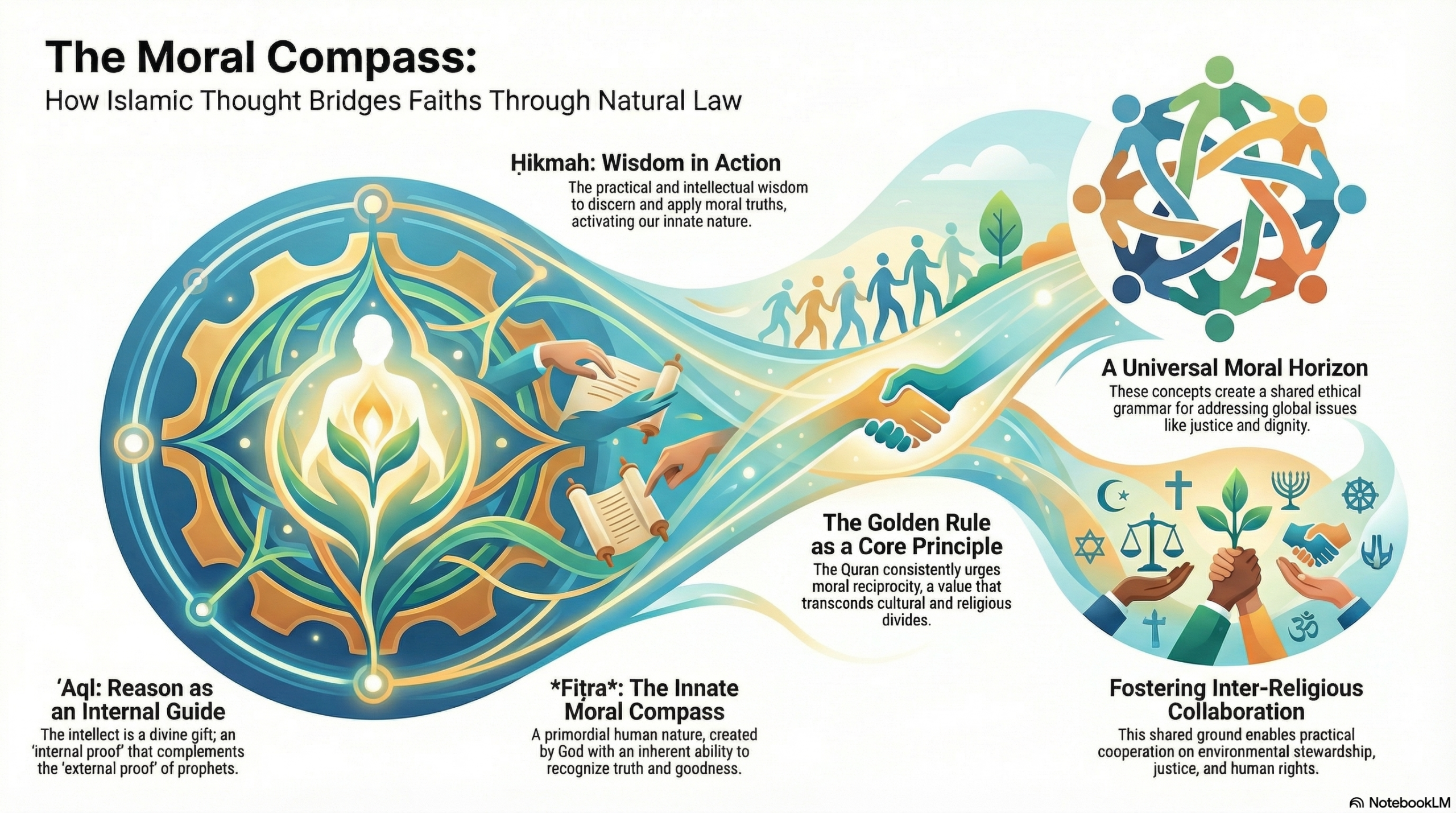
This project reconstructs Islamic conceptual resources that function as equivalents to “natural law,” focusing on fiṭrah, ḥikmah, ʿaql, and moral reasoning around purposes (maqāṣid). It argues that Islamic ethics cannot be reduced to positive law, because moral knowledge is also articulated as something that can be awakened, disciplined, and defended through reasoned reflection within the grammar of revelation.

Across Sunni and Shiʿi traditions, it maps how dignity, accountability, and the public good are justified through shared rational-moral tools (including qawāʿid fiqhiyya) while preserving theological specificity. The goal is a historically grounded, constructive account of Islamic moral normativity that supports serious interreligious comparison without flattening differences.

Ma Dexin and the Han Kitab Tradition

Chinese Islam · translation and critical edition · Islamic metaphysics across cultures

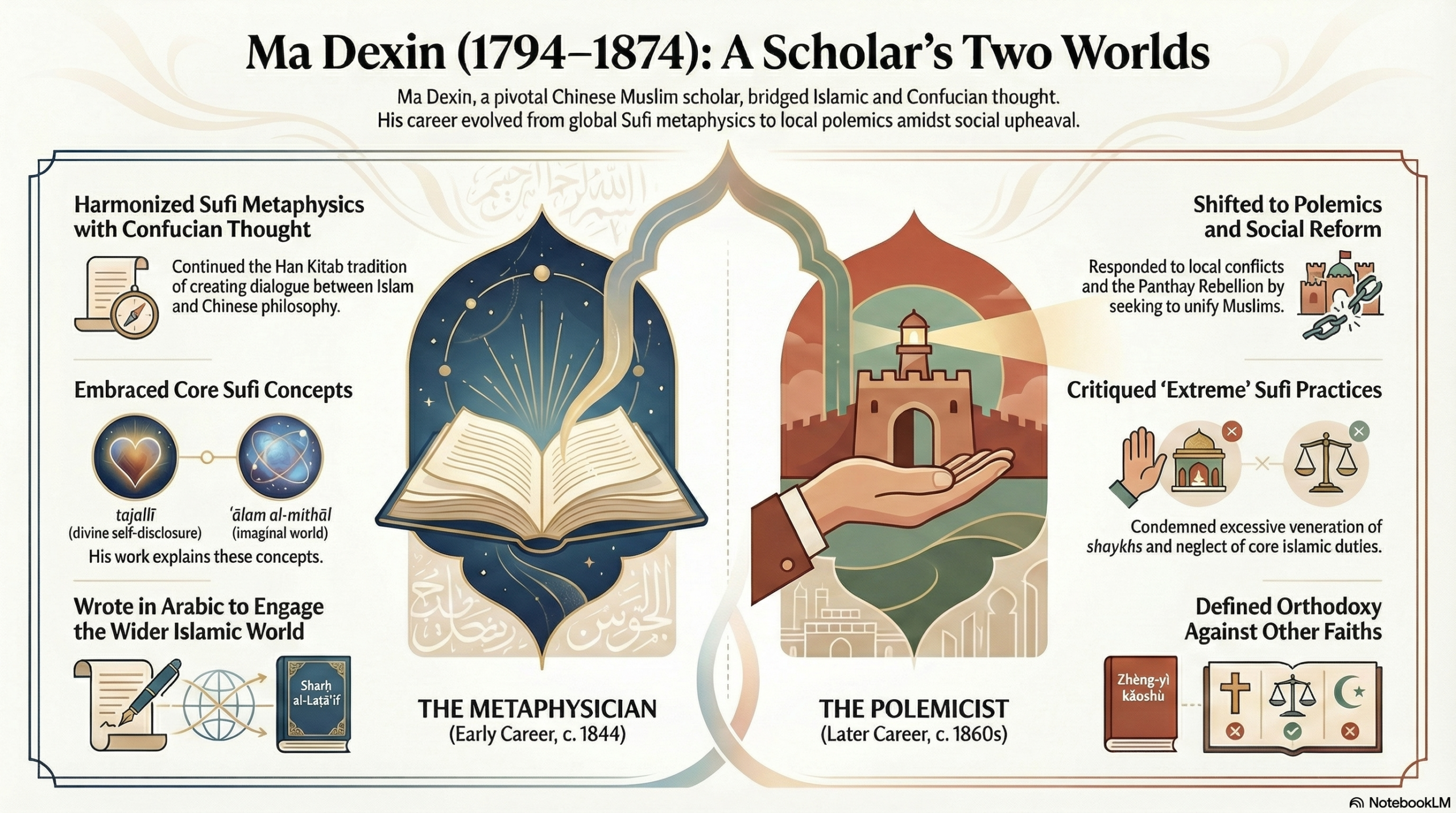
This project develops a critical-philological and interpretive study of the Han Kitab tradition through Ma Dexin (1794–1874), examining how Islamic metaphysics, prophecy, and moral cultivation are re-expressed in dialogue with Confucian ethical and cosmological frameworks. It combines translation with commentary to clarify how “wisdom” becomes a shared language for making revelation intelligible across conceptual worlds.

Alongside preparing a critical edition of a Ma Dexin manuscript, the project situates Ma’s interventions within broader debates on tradition, reform, and authority—thereby widening the comparative horizon for thinking about revelation, reason, and spiritual formation beyond the standard Middle Eastern archive.

(No image yet)

Self in Rabbinic and Shīʿī Legal Reasoning

Collaborative chapter · Sergey Dolgopolski (co-author) · Ezra Tezfadiya (volume editor)

This collaborative chapter reads “selfhood” as a structure generated by legal address, theological grammar, and negation rather than as a stable psychological unit. Co-authored with Sergey Dolgopolski (with Ezra Tezfadiya as the editor of the volume), it places rabbinic and Shīʿī traditions in dialogue by mapping how each tradition positions persons through election, boundary-making, and responsibility.

On the Islamic side, the project develops a virtual cartography grounded in tawḥīd and fiṭrah, treating categories such as believer/denier/hypocrite and the legally accountable self (mukallaf) as unstable locations produced by the logic of lā ilāha illā Allāh. Qurʾānic clusters on islām/īmān/nifāq and Sūrat al-Jinn (Q 72:11–15) function as key textual nodes for thinking communal “we-ness,” hiddenness, and divided agency.

پروژه‌های پژوهشی

قانون طبیعی در سنت اسلامی و فهم میان‌دینی

پژوهش کتاب‌محور · اصول فقه و اخلاق · الهیات تطبیقی

این پروژه منابع مفهومیِ درون‌سنتیِ اسلام را که کارکرد «قانون طبیعی» دارند بازسازی می‌کند؛ با تمرکز بر فطرت، حکمت، عقل و منطق اخلاقیِ مقاصد (مقاصد الشریعة). استدلال اصلی آن است که اخلاق اسلامی به «قانونِ وضعی» فروکاسته نمی‌شود، زیرا در سنت فقهی و فلسفی، معرفت اخلاقی قابلیت بیداری، تربیت و استدلال‌پذیری دارد—در درون وحی و نیز در ساحت تأمل عقلانی.

پروژه در افق سنی و شیعی، چگونگیِ صورت‌بندی کرامت انسانی، مسئولیت و خیر عمومی را از طریق ابزارهای عقلانی-اخلاقی مشترک (از جمله قواعد فقهیه) ترسیم می‌کند، در عین آنکه نحوۀ الهیاتیِ هر سنت را حفظ می‌کند. هدف نهایی ارائه تصویری تاریخی-سازه‌مند از هنجارمندی اخلاقی در اسلام برای امکان گفت‌وگوی جدی میان‌دینی است.

ما دِشین و سنت «هان کیتاب»

اسلامِ چینی · ترجمه و تصحیح انتقادی · حکمت اسلامی در افق‌های فرهنگی

این پروژه مطالعه‌ای متن‌شناختی و تفسیری از سنت «هان کیتاب» را با محوریت آثار ما دِشین (1794–1874) پیش می‌برد و می‌پرسد چگونه مابعدالطبیعه اسلامی، نبوت و تربیت اخلاقی در گفت‌وگو با چارچوب‌های اخلاقی و کیهان‌شناختی کنفوسیوسی بازبیان می‌شوند. روش کار ترکیبی از ترجمه همراه با شرح و تحلیل مفهومی است تا «حکمت» به‌عنوان زبان مشترکِ فهم‌پذیرسازی وحی در دو جهان مفهومی روشن شود.

در کنار آماده‌سازیِ تصحیح انتقادی یک دست‌نویسِ ما دِشین، پروژه مداخلات فکری او را در زمینه بحث‌های گسترده‌ترِ سنت/اصلاح و مرجعیت تحلیل می‌کند و افق مقایسهٔ وحی، عقل و سلوک اخلاقی را فراتر از آرشیو رایج خاورمیانه‌ای گسترش می‌دهد.

(فعلاً تصویر ندارد)

«خود» در استدلال فقهی-حقوقیِ ربانی و شیعی

فصل مشترک · هم‌نویسنده: Sergey Dolgopolski · ویراستار مجلد: Ezra Tezfadiya

این فصلِ مشترک «خود» را نه به‌مثابه یک واحد روان‌شناختیِ ثابت، بلکه به‌عنوان ساختاری برآمده از خطابِ حقوقی-الهیاتی، دستورِ فقهی، و منطقِ نفی/اثبات می‌خواند. این کار با همکاریِ Sergey Dolgopolski (با ویراستاریِ Ezra Tezfadiya برای مجلد) نوشته می‌شود و نقشه‌های «خودیت» را در سنت ربانی و سنت شیعی، در محورِ انتخاب، مرزبندی و مسئولیت، کنار هم می‌گذارد.

در بخش اسلامی، یک «کارتوگرافی مجازی» بر پایهٔ توحید و فطرت ساخته می‌شود: مقولاتی چون مؤمن/کافر/منافق و نیز «نفسِ مکلف» (مکلف) نقاط ناپایدار روی نقشه‌ای هستند که منطق «لا إله إلا الله» آن را تولید می‌کند. خوشه‌های قرآنیِ اسلام/ایمان/نفاق و نیز آیات سوره جن (72:11–15) گره‌های متنی کلیدی برای اندیشیدن درباره «ما»ی دوپاره، پنهان‌بودگی و عاملیت‌های چندگانه‌اند.